
Cyber Attacks
Hunt for Sandboxie DLL Sideloading to Stop AD Theft by BRONZE SANDCASTLE
Threat actors use trusted Windows apps to load malicious libraries, stealing directory data from targets across Asia and Africa between 2025 and 2026.
The BlueTeam Herald Attack Watch Desk is the part of the BlueTeam Herald newsroom that covers attacks, malware, scams and the groups behind them. It is a newsroom desk, not a single person. Sections: Cyber Attacks, Malware & Ransomware, Threat Intelligence. Stories start from more than 150 monitored sources. Drafts are prepared with AI assistance and checked by software against the cited sources before they are published. It has published 29 articles so far. See the editorial policy or report an error.
Threat actors use trusted Windows apps to load malicious libraries, stealing directory data from targets across Asia and Africa between 2025 and 2026.

Threat researchers found that criminals are inserting scam phone numbers into legitimate retail transaction emails to bypass security filters.

Researchers observed criminals using open-source AI tools to breach over 100 company websites by exploiting internet-facing control panels.

Leaked documents reveal a US Army Cyber Command initiative deploying autonomous AI agents to traverse networks and eliminate targets, raising significant operational security concerns.

New FTC data shows reported losses for Americans over 60 hit $3 billion in 2025, with investment fraud driving significant increases.

Researchers showed how limited database privileges could escalate to full server control, highlighting risks in managed cloud services.

The Justice Department targeted a North Korean scheme using stolen US identities to infiltrate IT firms, resulting in major seizures and charges.

Huntress confirms attackers are using stolen vendor credentials to access Microsoft 365 data, requiring immediate app revocation and log review.

Cisco Talos tracks an APT campaign using AI-generated invites and quishing to steal Google credentials from academic affiliates in Taiwan.

GreyNoise found 143 devices in 34 countries hijacked for bandwidth resale via legitimate software installed without owner consent.

Researchers found TAG-217 used the AI tool ARTEX to breach South Korean banks, exposing data from thousands of users in a campaign starting in August 2026.

Google introduces AI-driven scam detection and blocks background call forwarding to protect users from account takeover attempts.

Attackers use fake government notifications to install malware that abuses accessibility services to steal financial data from Indian banking apps.
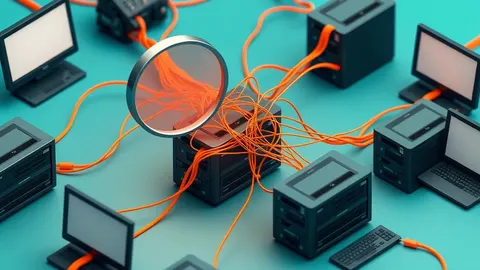
Midnight Blizzard actors used Claude AI to regenerate detected implants, but shared infrastructure links allowed researchers to map the campaign across European targets.

Attackers used FortiJump and path-traversal flaws to install a fileless ARM64 implant on FortiGate firewalls, hiding in system memory.

Linus Torvalds used Claude Code to draft kernel patches that were not merged after reviewers found a race condition in a later series.
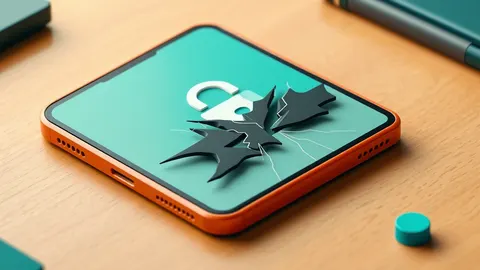
The Hirudo malware replaces legitimate banking apps with patched clones to bypass security checks and steal credentials from users in multiple countries.

Cyber Security News rankings show that native platform features often replace dedicated security tools, urging teams to verify existing capabilities before spending.

Morocco’s new strategy emphasizes embedding security into institutional governance to defend critical assets against evolving threats.
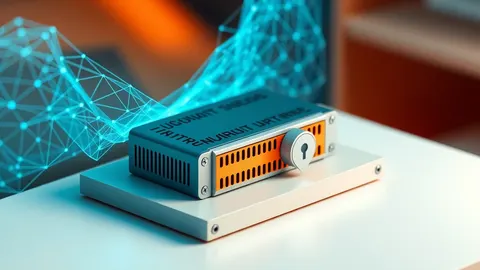
AWS publishes technical guides for constructing quantum-resistant signing architectures using Module-Lattice-Based Digital Signature Algorithm keys and certificates.

A new partnership combines academic research with industry threat data to improve cyber defense for operational technology in Singapore and the region.

Two suspects were transferred to the US to face charges for an alleged sextortion scheme that targeted victims in Puerto Rico using social media platforms.

Unauthenticated access to GPU monitoring tools allows attackers to crash servers and disrupt AI workloads, requiring immediate network segmentation.

US authorities seized hacking tools linked to Integrity Tech, exposing risks to global critical infrastructure and IoT devices.