Block ASHVEIN RAT Command Obfuscation to Protect Ukrainian Government Targets
UAC-0099 uses HTML to hide commands in the ASHVEIN RAT and a new .NET infostealer, targeting Ukrainian officials.
Key points
- UAC-0099 is deploying the ASHVEIN remote access trojan against Ukrainian government personnel.
- The malware uses HTML structures to obfuscate command-and-control instructions.
- TrendAI tracks this activity under the cluster name Earth Sirrush.
Security teams monitoring for advanced persistent threats should prioritize detecting the ASHVEIN remote access trojan (RAT) and its associated .NET infostealer. The Russia-aligned threat actor UAC-0099 is actively using these tools to target Ukrainian government officials. According to TrendAI, the group has adopted a novel obfuscation technique that hides malicious commands within HTML structures, complicating signature-based detection.
The risk
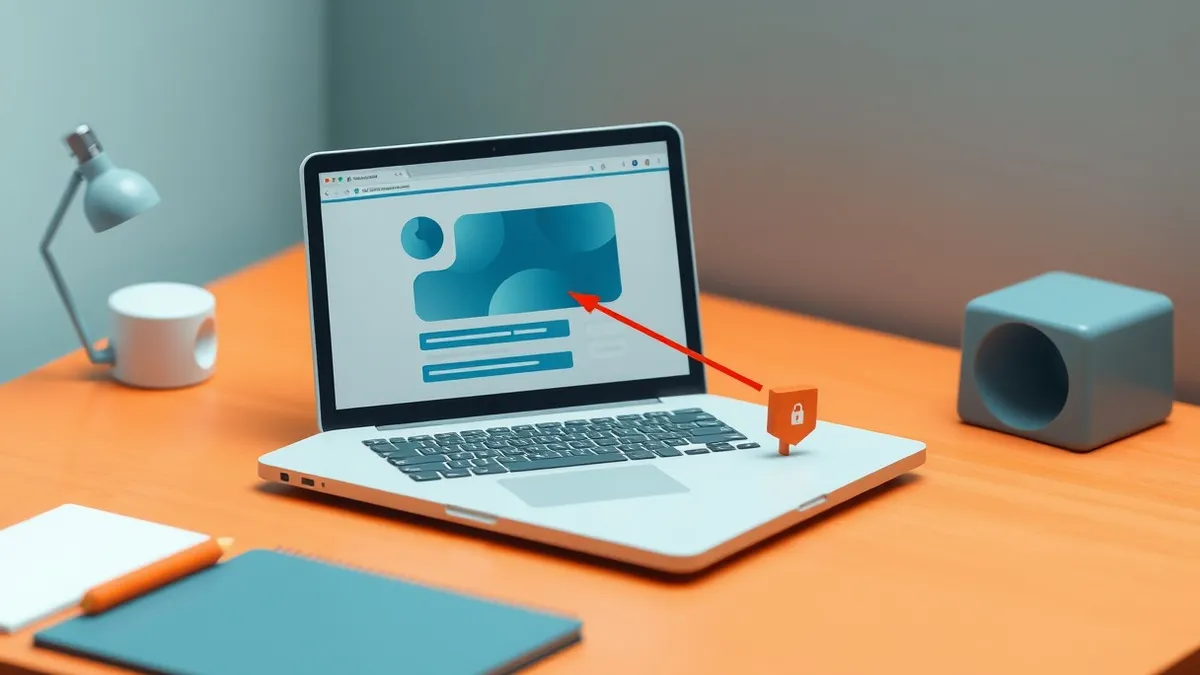
The primary technical concern with ASHVEIN is its method of command-and-control (C2) communication. Rather than using standard plaintext or simple encoding, the malware embeds instructions inside HTML documents. This approach allows the threat actor to blend malicious traffic with legitimate web content, potentially evading network security appliances that do not perform deep packet inspection of HTML payloads.
In addition to the RAT, UAC-0099 is deploying a previously undocumented .NET infostealer. This component is designed to harvest sensitive data from compromised systems, likely including credentials, browser cookies, and other authentication tokens. The combination of a persistent RAT and a data-harvesting tool creates a significant risk of long-term espionage and credential theft.
Who is exposed
The attacks are specifically directed at Ukrainian government personnel. This targeted approach suggests that UAC-0099 is seeking access to state-level information or internal communications rather than conducting broad, indiscriminate cybercrime operations. Organizations within the Ukrainian public sector, particularly those with online presence or email systems, are the primary targets.
Cost and compliance
The source material does not provide specific financial loss figures or regulatory compliance implications for this campaign.
Our take on the response
Monitor network traffic for unusual HTML payloads that may contain encoded commands. Ensure endpoint detection and response (EDR) solutions are updated to recognize the behavior of the ASHVEIN RAT and the associated .NET infostealer.
Background: Infostealers
Infostealers are malware designed to locate and exfiltrate sensitive data like passwords, cookies, and cryptocurrency wallets from your device. They do not encrypt files like ransomware but instead steal access. Protect yourself by using hardware security keys and isolating sensitive accounts from daily browsing.
Read the full guide: Infostealers Explained: How Silent Data Theft Works
What to do and how to stay safe: UAC-0099
- Antivirus signatures cannot stop novel ransomware strains that use fileless techniques or rapid mutation.
- Backups stored on the same network as primary systems are vulnerable to encryption and deletion.
- Human interaction remains the primary entry point, making behavioral monitoring more effective than perimeter walls.
Ransomware defense requires moving beyond perimeter protection and signature-based tools to focus on internal monitoring and isolated backups. Implement application control and regular restoration testing to ensure you can recover without paying.
Step-by-step guide: Ransomware Myths Debunked: The Hidden Truths About Encryption Attacks
General security guidance from the BlueTeam Herald newsroom. It is not confirmed advice from the organisations named in this story.
Frequently asked questions
Who is behind the ASHVEIN malware attacks?
The Russia-aligned threat actor known as UAC-0099 is responsible for deploying the ASHVEIN RAT and infostealer.
How does ASHVEIN hide its commands?
According to TrendAI, the malware hides its command-and-control instructions within HTML structures to evade detection.
Who are the targets of this campaign?
The attacks are specifically targeting Ukrainian government personnel and officials.