
Threat Intelligence
Alert Triage Mistakes and Fixes for Security Analysts
Triage failures often stem from cognitive biases and tool misconfiguration rather than a lack of technical skill or insufficient data volume.
Everything BlueTeam Herald has reported about threat detection: 11 stories, newest first. Part of our Threat Intelligence coverage.
Triage failures often stem from cognitive biases and tool misconfiguration rather than a lack of technical skill or insufficient data volume.

Administrators often enable PowerShell execution by default, creating a persistent backdoor that attackers exploit without installing any external malware or tools.
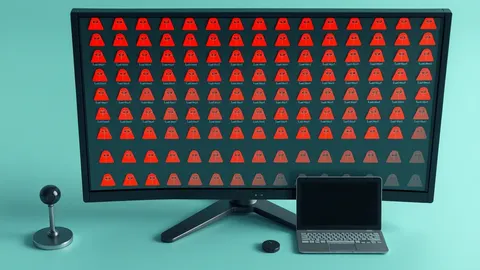
High alert volume trains analysts to ignore warnings, turning your security stack into a silent monitor that hides real attacks in plain sight.

Network scanning reveals hidden infrastructure by exploiting protocol quirks, often bypassing perimeter defenses that only inspect established connections.

Canary tokens transform passive files into active sensors that report unauthorized access through out-of-band channels, bypassing standard network defenses.

Endpoint Detection and Response tools generate alerts, but only Managed Detection and Response services provide the human analysts required to investigate and remediate those threats.

Network traffic analysis reveals hidden threats by examining packet headers and flow metadata, exposing attacks that bypass traditional endpoint security controls.

Standard system tools create subtle behavioral anomalies that persist long after the initial compromise, requiring a shift from signature matching to context-aware monitoring.

Windows event logs record system actions, but monitoring them requires filtering noise to find specific behavioral patterns that indicate compromise.

Running suspect files in an isolated sandbox reveals hidden behaviors that static signature checks miss, exposing threats before they cause damage.

Web shells hide in plain sight by mimicking legitimate traffic and using encoded payloads that bypass standard signature-based scanning.