
Threat Intelligence
OSINT investigation cleanup: containment and recovery steps
Exposing internal assets via open-source intelligence often triggers rapid attacker pivoting before formal containment begins.
Everything BlueTeam Herald has reported about incident response: 15 stories, newest first. Part of our Threat Intelligence coverage.
Exposing internal assets via open-source intelligence often triggers rapid attacker pivoting before formal containment begins.

GraphQL lacks inherent rate limits, allowing attackers to exhaust server resources through nested queries that bypass traditional web application firewall rules.

DNS rebinding attacks bypass browser security by changing target IP addresses after the initial page loads, requiring network-level isolation rather than browser fixes.
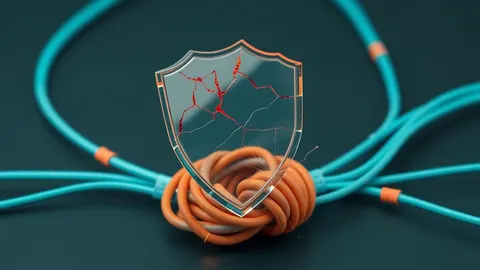
Network anomalies and certificate irregularities often precede user-facing symptoms, revealing compromise before data exfiltration occurs.

Small organizations face the same automated attack tools as large corporations, making automated detection and strict access controls the primary defense mechanism.

Security orchestration, automation, and response platforms reduce manual toil by connecting disjointed tools into a single workflow engine that executes predefined actions.

Canary tokens transform passive files into active sensors that report unauthorized access through out-of-band channels, bypassing standard network defenses.

Most organizations fail not because they lack tools, but because they lack defined decision rights during the chaotic first hour of a breach.

Reimaging wipes the drive but preserves network access tokens, allowing malware to reinstall itself from cloud backups or adjacent devices before you notice.

A recovery plan shifts your focus from preventing every attack to guaranteeing you can rebuild systems using clean, isolated backups after an intrusion occurs.

Alert triage reduces noise but creates a hidden bottleneck that slows response to subtle threats like DNS tunneling or living-off-the-land attacks.

Confusing these terms distorts your response strategy because breaches imply active intrusion while leaks often stem from internal misconfiguration or negligence.

Deleting logs during command injection recovery destroys the evidence you need to prove full containment and prevents accurate root cause analysis.
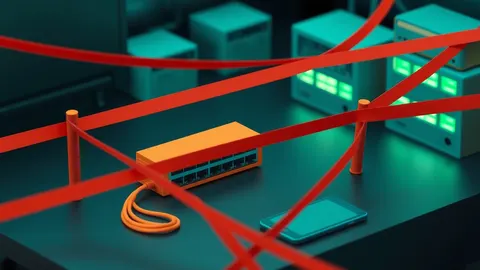
Isolating the network segment containing the vulnerable host prevents lateral movement more effectively than attempting immediate remediation on a compromised system.

Preserve data integrity and chain of custody to ensure digital evidence holds up during investigations and legal proceedings.